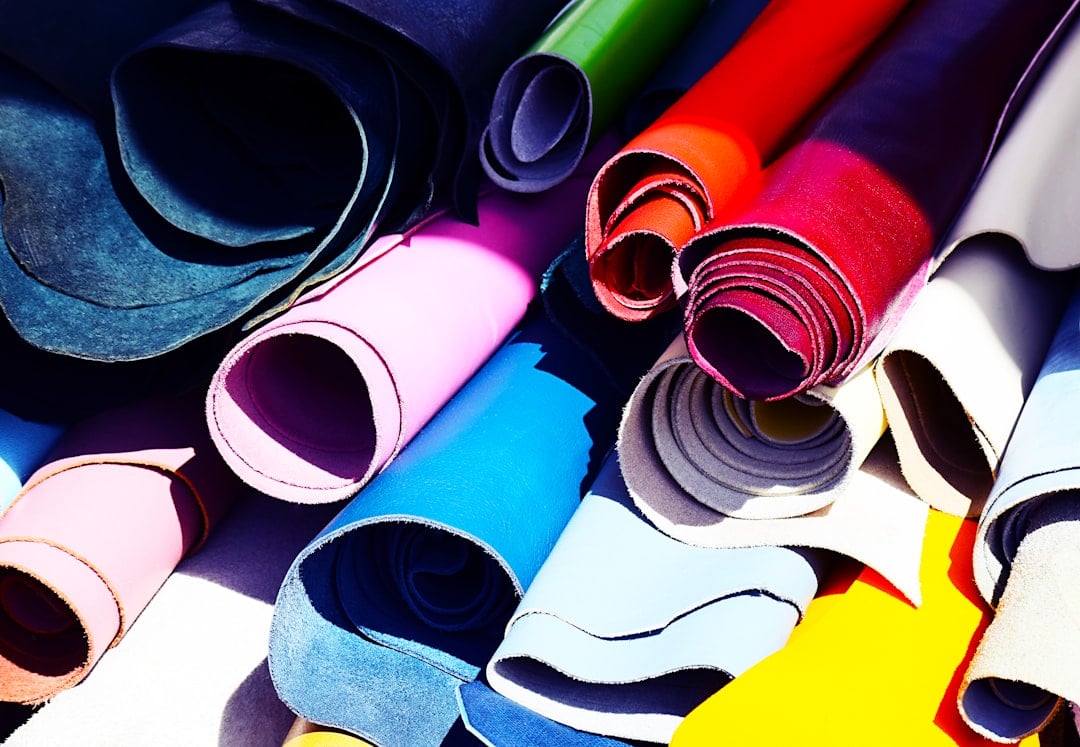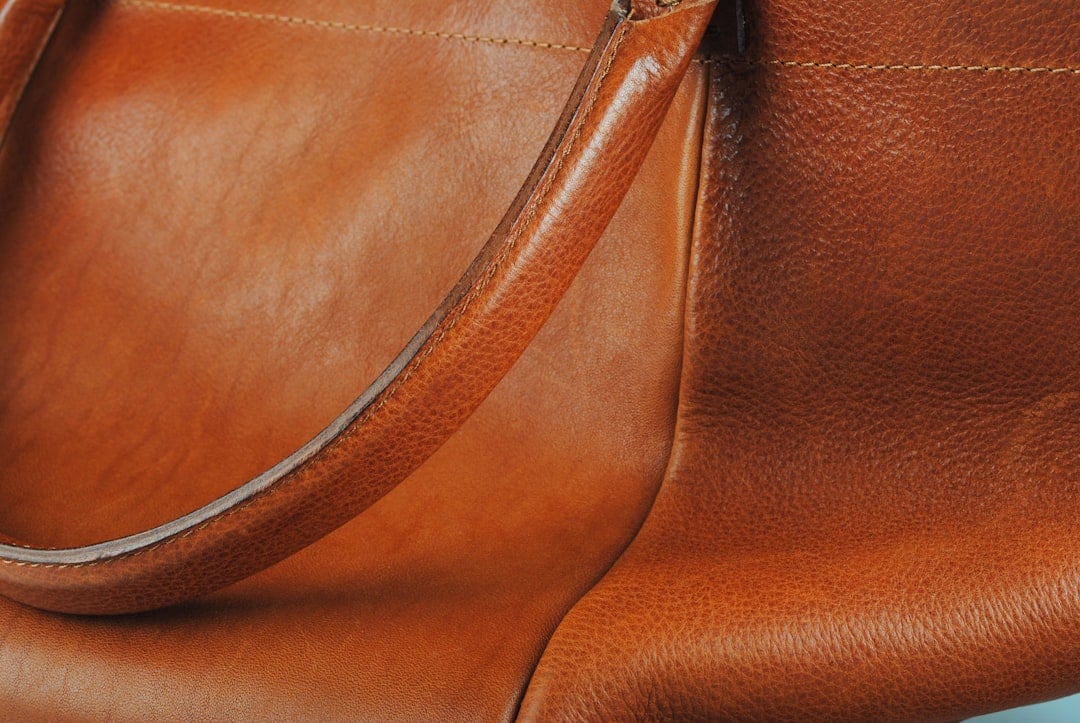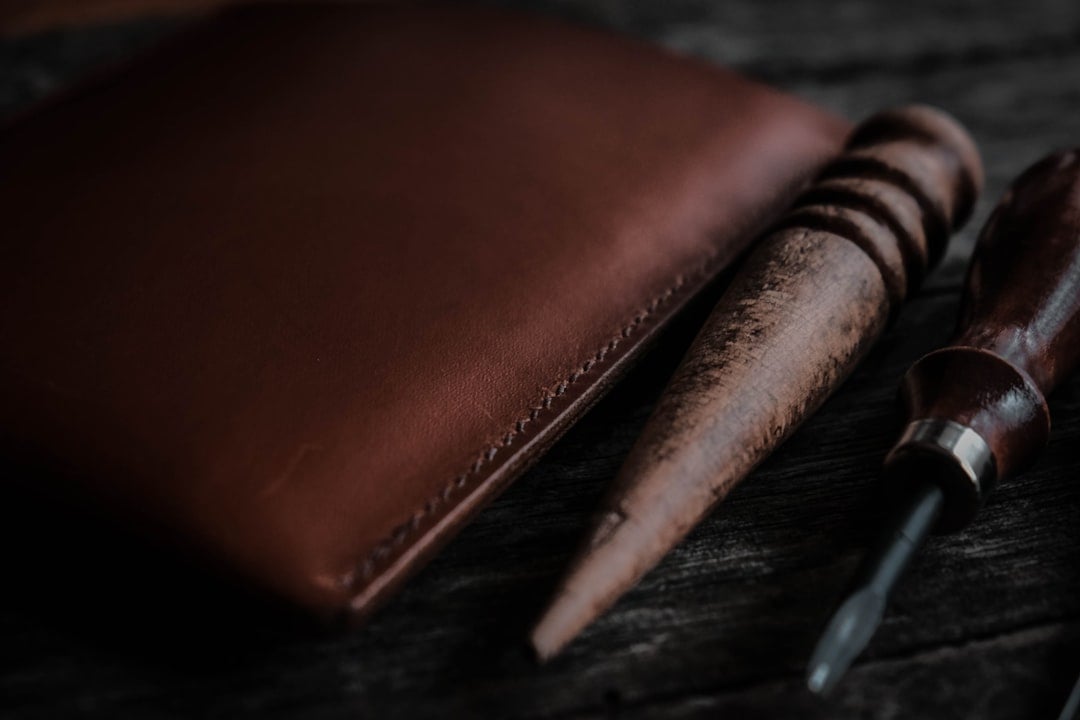

India's leather and footwear ecosystem covers raw material processing, finished leather, components, footwear, bags, wallets, belts, garments, gloves, safety footwear, saddlery, and fashion accessories. For a buyer, that variety is both useful and challenging. The right supplier depends on product type, minimum order quantity, testing expectations, finishing quality, compliance documentation, export experience, and the buyer's tolerance for development work.
This site does not try to replace due diligence. Instead, it organizes the questions a buyer should ask before shortlisting factories, agents, or trading companies. The aim is to make supplier research less random and to help buyers understand the difference between a manufacturer, processor, exporter, merchant, component supplier, and product-development partner.
Start with the core India guides

- India Leather Export Guide introduces the supply chain, product groups, and buyer decision points.
- Indian Leather Suppliers explains how to assess finished leather, components, and leather-goods suppliers.
- Footwear Manufacturers in India covers shoe, sandal, boot, and safety-footwear sourcing.
- Buyer Guide to Sourcing Leather from India gives a practical workflow for evaluation, samples, documents, and production checks.
Leather types and tannage
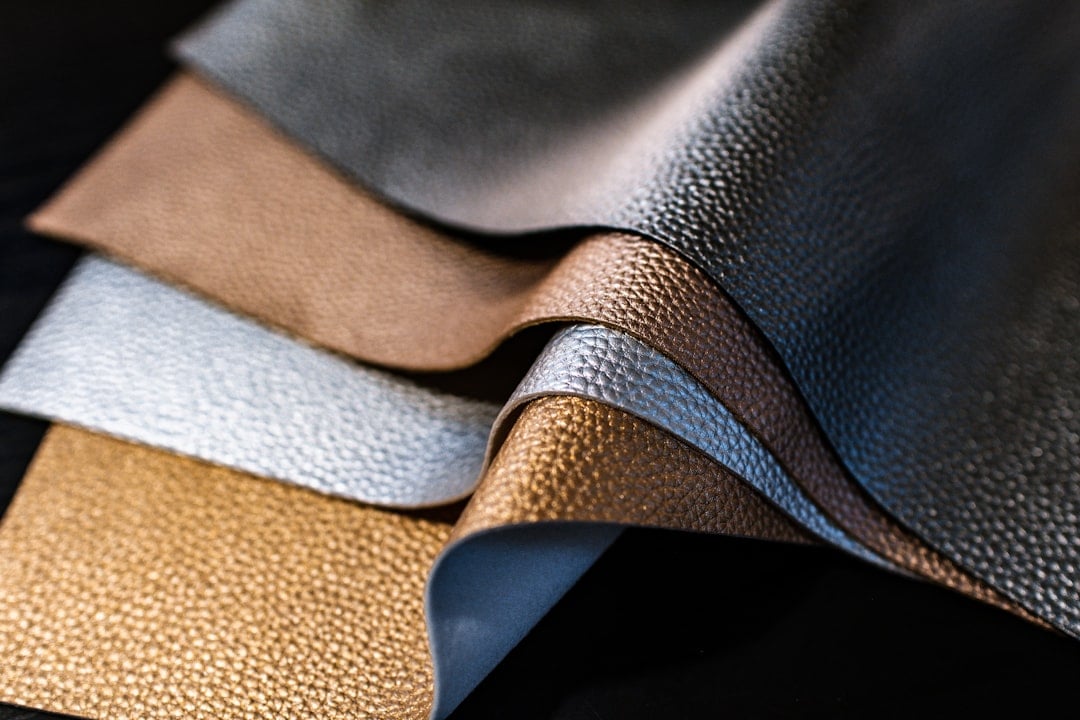
Sourcing still starts with a specification, not a price. Grain, tannage, thickness, selection, and finish all change the quote.
- Leather types — full grain, top grain, genuine, split, suede, nubuck, and bonded leather.
- Full grain leather — grain, patina, thickness, and what “full grain” should mean on a purchase order.
- Vegetable tanned leather — veg tan versus chrome tan, crust versus finished.
- Leather vs PU leather — when coated fabric is the wrong substitute, and when it is the right one.
How to use this site
If you are at an early research stage, begin with the export guide and then move into the product category that matches your buying need. If you already know your product, go directly to the supplier or buyer guide pages and build a checklist before contacting factories. If your concern is regulation, quality, or documentation, read the tannery and compliance guide before discussing price.
The strongest sourcing decisions normally combine three checks: product fit, operational reliability, and commercial alignment. Product fit answers whether the supplier makes your category at the required quality level. Operational reliability covers capacity, lead time, communication, quality control, and export handling. Commercial alignment covers MOQ, payment terms, packaging, development costs, and long-term margin.
Related LeatherLine guides
- Leather goods exporters in India
- Bags and fashion accessories from India
- Tannery and leather compliance basics
- Export promotion resources for Indian leather
- Council for Leather Exports and India’s leather trade resources
- How to source leather — general buying sequence for hides and goods.
- Leather trade fairs — how to prepare a brief and compare booths.